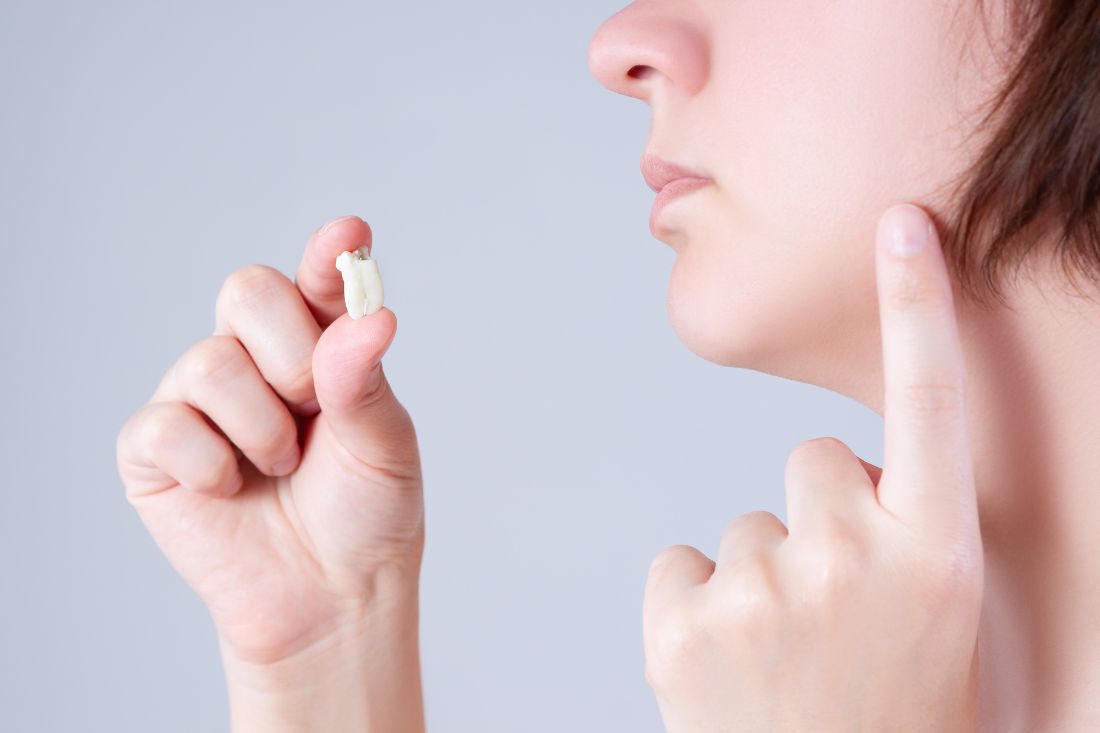
Wisdom teeth removal is needed when the trapped molars cause pain, swelling or crowding. With local anaesthesia or sedation, it’s a comfortable procedure followed by a brief recovery during which you eat soft foods and rest your jaw as the socket heals.
In this article, Shellharbour Dentists discuss the procedure, the expectations and the wisdom teeth removal cost involved. First, let’s understand what wisdom teeth are and how their arrival can trigger discomfort and complications.
What Are Wisdom Teeth and Why Do They Cause Complications?
Our evolution has resulted in smaller jaw structures, yet most adults still develop 32 teeth. This includes four wisdom teeth located at the far corners of the upper and lower arches.
When there is insufficient room in the dental arch, third molars struggle to erupt correctly:
- Fully Erupted: The tooth breaks through the gum tissue completely but may be misaligned or difficult to clean effectively.
- Partially Impacted: The tooth partially breaks through the gum line, creating a flap of tissue where food particles and bacteria collect easily.
- Completely Impacted: The tooth remains entirely encased within the jawbone or soft tissue, unable to break through the surface.
When a tooth is impacted, it can exert force against neighbouring second molars. This pressure can cause structural damage, crowding or deep tooth decay that affects adjacent teeth.
Classification of Impacted Wisdom Teeth
Our lower jaw, or mandible, experiences the highest rate of impaction due to limited physical space at the rear of the arch.
- Mesioangular Impaction: The tooth tilts forward toward the front of the mouth, pressing directly against the neighbouring second molar. This represents the most frequent form of impaction.
- Vertical Impaction: The tooth is oriented in an upright position but remains trapped beneath the gum line or jawbone due to a lack of room.
- Horizontal Impaction: The tooth lies completely on its side within the jawbone, growing parallel to the jawline directly into the roots of the adjacent tooth.
- Distoangular Impaction: The tooth tilts backward toward the rear of the jaw, making surgical removal more complex.
🦷 Studies indicate that third molar impaction affects a substantial portion of the global adult population, with impaction rates reported between 24 to 35 %.
When Do You Need Wisdom Teeth Removal
According to Dr Mohit Tolani, the regional dental surgeon leading Shellharbour Dentists, “Not all third molars require extraction. If wisdom teeth are fully erupted, correctly positioned, healthy and accessible for daily brushing and flossing, they can often be monitored during routine dental checks.”
He adds, “However, professional wisdom teeth removal becomes necessary when clinical symptoms or preventative factors arise.”
Common indications for wisdom teeth removal include:
- Persistent Pain and Stiffness: When discomfort radiates from the back of the jaw and is often accompanied by stiffness when opening the mouth.
- Recurrent Gum Infections: Partially erupted teeth frequently trigger pericoronitis, a painful infection of the gum tissue surrounding the crown.
- Damage to Adjacent Teeth: When impaction pushes directly against the second molar, it can create hard-to-reach pockets prone to decay and root resorption.
- Cysts or Fluid Sacs: Un-erupted wisdom teeth can form fluid-filled sacs within the jawbone, potentially weakening bone structure if left unaddressed.
If you experience swelling, tender gums or difficulty chewing, searching for a ‘dentist near me’ allows for early diagnostic imaging and evaluation.
Understanding Wisdom Teeth Removal Cost
Patients often inquire about the expected wisdom teeth removal cost.
The total fee for wisdom teeth removal depends on several aspects such as:
- Surgical Complexity: A simple extraction of a fully erupted tooth requires fewer resources than a complex surgical extraction of a deeply impacted horizontal molar.
- Diagnostic Imaging: Digital OPG panoramic X-rays or 3D CBCT scans are necessary to evaluate root structures and proximity to lower jaw nerves.
- Anaesthesia Choice: Treatment can be performed using a controlled dose of local anaesthetic in the dental chair, nitrous oxide (happy gas) or general anaesthetic depending on the complexity of the case.
- Number of Teeth: Extracting a single problem tooth incurs a different fee structure compared to removing all four third molars in a single appointment.
When evaluating wisdom teeth removal in Sydney, patients prioritise convenience and ease of payment.
🦷 Shellharbour Dentist offers transparent consultation quotes, health fund claim processing, and flexible payment options to ensure essential care remains accessible.
Wisdom Teeth Removal: What to Expect From Your Extraction Process
When considering wisdom teeth removal in Sydney, understanding each stage helps you relieve dental anxiety and prepares you for a smooth experience.
Typically, your wisdom teeth removal process can be divided into 3 phases:
1. Comprehensive Diagnostic Evaluation
The procedure begins with a detailed clinical examination. Your dental practitioner reviews medical history and takes digital X-rays to assess the exact angle, depth and root orientation of each wisdom tooth relative to anatomical nerves and sinuses.
2. Comfort and Anaesthesia Options
Patient comfort is prioritised throughout treatment. Options range from localised numbing agents to monitored sedation:
- Local Anaesthetic: Numbs the specific area around the tooth, allowing the patient to remain awake and comfortable without pain.
- In-chair Sedation: Helps anxious patients feel completely relaxed during the procedure while maintaining consciousness.
- General Anaesthetic: Managed alongside medical specialists in a hospital setting for highly complex surgical impactions or anxious patients.
3. Surgical Procedure
Once the area is completely numbed, your dentist makes a tiny incision in the gum tissue if the tooth is impacted. After removal, the surgical site is then cleaned, and dissolvable stitches may be placed to assist tissue healing.
Recovery Timeline and Aftercare
Recovery times vary depending on the complexity of the extraction and individual healing rates. Most patients return to normal daily routines within a few days.
Days 1 to 2: Initial Healing Phase
- Rest and elevate the head slightly while resting.
- Apply an ice pack wrapped in a cloth to the outer cheek in 15-minute intervals to reduce swelling.
- Avoid vigorous rinsing, spitting or drinking through a straw to protect the developing blood clot.
Days 3 to 7: Tissue Recovery Phase
- Consume soft foods such as warm smooth soups, yoghurt, scrambled eggs, and mashed vegetables.
- Begin gentle warm salt water rinses 24 hours after surgery to keep the area clean.
- Resume gentle tooth brushing while carefully avoiding the surgical extraction sites.
Preventing Complications Such as Dry Socket
Dry socket occurs when the protective blood clot in the empty tooth socket dislodges prematurely, exposing underlying bone and nerves. Protecting this clot by avoiding smoking, alcohol, strenuous exercise, and suction actions during early recovery is critical for uncomplicated healing.
Schedule Wisdom Teeth Removal with Shellharbour Dentists
If you require a preventative consultation or are experiencing wisdom tooth discomfort, Shellharbour Dentists are dedicated to delivering gentle expertise.
Located within the Centre Health Complex in Barrack Heights, we have served patients across Shellharbour, Wollongong and the wider Illawarra community.
To schedule your consultation or learn more, please contact Shellharbour Dentists today. We also offer emergency consultations for priority care.
Note: Surgical and invasive procedures carry risks. Before proceeding, you may seek a second opinion from an appropriately qualified health practitioner. A comprehensive consultation can outline potential risks, benefits and expected recovery timelines for your case.
FAQs
1. Is there a downside to having wisdom teeth removed?
As with any surgical procedure, minor risks exist, such as dry socket, infection, or temporary nerve sensitivity. Extracting healthy, fully functional teeth without clinical reason also carries unnecessary surgical risk without added health benefit.
2. How painful is wisdom tooth extraction?
During the procedure, you feel no pain because the treatment area is completely numbed with local anaesthetic, often combined with sedation. Once the numbing wears off, mild to moderate aching and jaw stiffness are normal for three to five days. This discomfort is easily managed with prescribed or OTC pain relievers.
3. When is wisdom teeth removal needed?
Removal is needed when third molars lack space to emerge properly, becoming trapped beneath gums or bone. Signs include persistent jaw pain, recurrent gum infections around partially erupted teeth, damage or decay on adjacent molars, cyst development, or orthodontic alignment requirements. Healthy, fully erupted teeth rarely require extraction.
4. What happens if impacted wisdom teeth are left untreated?
Leaving impacted wisdom teeth untreated can cause recurrent gum infections, localised cysts, irreversible decay in neighbouring second molars, jawbone damage, and severe crowding. Over time, untreated impaction often leads to more complex and costly surgical requirements.
5. Can a person be born without any wisdom teeth at all?
Yes, it is estimated that up to 25 % of people are born without at least one wisdom tooth, and some individuals do not develop any third molars at all. This harmless genetic variation is an ongoing evolutionary shift toward smaller human jaw structures.