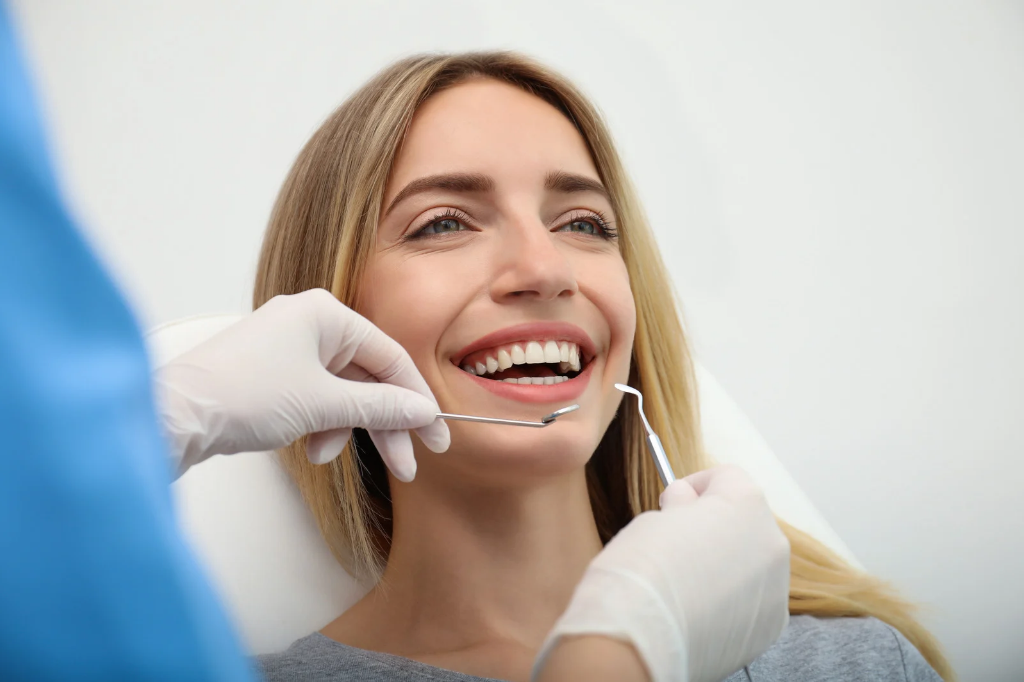
Preventive dentistry protects your teeth and gums before disease takes hold. As an effective strategy, it combines a routine dental check up and clean, fluoride treatment, interdental cleaning, mindful eating habits and protective appliances when necessary.
Since most major dental problems don’t necessarily exhibit pain, preventive dentistry helps in understanding how a small patch of weakened enamel or mild gum inflammation can lead to prolonged discomfort and a hefty bill. This week, Shellharbour Dentists discuss how preventive dentistry can change that timeline.
Why Preventive Dentistry Is the Key to Avoiding Major Dental Problems
The National Study of Adult Oral Health 2017-18 found that almost one in three Australian adults had untreated tooth decay, and over 30% of adults had moderate or severe gum disease.That is why understanding preventive dentistry is so imperative in avoiding major dental problems, according to Dr Mohit Tolani.
1. Stop Dental Decay Before It Begins & Spreads
Plaque is a bacterial film that forms on our teeth every day. When its bacteria break down fermentable carbohydrates, they release acid, and once the pH at the tooth surface falls below roughly 5.5, minerals begin leaving enamel.
Saliva and fluoride push the process back the other way, which is why a chalky white spot can sometimes be contained before it becomes a cavity. But here is what many overlook. Frequent consumption of sugar-based food can keep plaque acidic for roughly 20 to 30 minutes, so a coffee sipped for a longer duration is not recommended.
2. Act on Bleeding Gums Before They Become Gum Disease
Do your gums bleed when you brush or floss?
Bleeding usually signals inflammation, and the answer is generally better plaque removal rather than avoiding the area. Plaque left at the gumline can harden into calculus, and early gum disease (gingivitis) is usually reversible.
If inflammation persists, it may progress to periodontitis, which affects the bone supporting your teeth, and lost bone does not usually regrow on its own. Smoking, poorly controlled diabetes, family history, some medications and hormonal changes may raise your risk.
Acting at the bleeding stage gives you the widest range of options. Our gum disease treatment can be considered to help you address the bleeding gums.
3. Protect Your Teeth From Wear Before It Becomes Damage
To the surprise of many, yes, teeth can lose structure without a single cavity. Acidic drinks or reflux soften enamel, grinding flattens the biting surface, and heavy-handed brushing can wear the gumline.
Do you wake with a tight jaw or notice flattened, sharp, chipped edges? Those can be signs of grinding or bruxism, and left unchecked, ongoing wear may lead to cracked teeth or sensitivity that is more involved to treat.
Teeth grinding care starts with understanding why it is happening, since stress, sleep and bite factors can all play a part. In this case, a custom night splint can help you protect your teeth while you sleep, and contact-sport players may benefit from a custom-fitted mouthguard to reduce the risk of injury.
4. Build a Routine to Support Preventive Dentistry
A large part of preventive dentistry depends upon self-effort. At Shellharbour Dentists, we often educate patients on the right practices and measures.
Brush twice daily for two minutes with a soft brush angled towards the gumline. If you only perfect one session, make it bedtime, because saliva flow falls during sleep.
Choose fluoride deliberately. Adult toothpastes can contain about 1,000 to 1,450 ppm fluoride. While necessary for healthy teeth, we suggest spitting out the excess and avoiding rinsing, so a thin film stays on your teeth.
Clean between your teeth daily with floss or interdental brushes. A toothbrush leaves these surfaces largely untouched, and that is where much decay and gum disease begins.
Space out sugar and acid. Keep sweet and acidic items to mealtimes, choose water between meals, and wait about 30 minutes after acidic drinks before brushing.
Identify Concerns Early With a Dental Check Up and Clean
A dental check up and clean achieves two goals in a single session.
When done by an experienced dentist near you, the examination aspect looks for what you cannot see or feel. It can be early enamel changes, cracks, worn fillings, gum pocketing and changes in the soft tissues of your tongue, cheeks and palate. Finding these while they are small is what keeps treatment simpler.
The cleaning aspect removes plaque and hardened calculus (tartar), which brushing cannot shift once it has set. In this case, your preventive dentistry visit can include digital X-rays, a fluoride treatment and treatment planning.
When searching for a ‘dental clinic near me’ or an ‘expert dentist near me’, Shellharbour Dentists suggest you learn more about the nuances involved.
- Mild tenderness after a deep clean is common. Inflamed gums or exposed roots can feel sensitive for a few days. Let us know if it lasts longer.
- Children’s needs change quickly. Child Dental Benefits Schedule and kids dentistry can be explored to support them in their journey.
- Dry-mouth medications, diabetes, pregnancy, blood-thinning medicines and recent treatment can shape how we plan your care.
Beyond these, Shellharbour Dentists offer sleep/sedation dentistry measures if a treatment identified during your preventive dentistry visit makes you anxious.
To summarise, early mineral loss rarely causes any sensation and gum disease or periodontitis can behave the same way. If you need help in addressing or avoiding any of the discussed concerns, please call (02) 4214 8280.
The expertise of Shellharbour Dentists is built upon patient comfort and compassion.
FAQs
1. What is preventive dentistry?
It is care and daily habits that protect your teeth, gums and jaw: examinations, cleans, fluoride advice, X-rays when clinically justified and guidance matched to your risk. Its aim is to find change early so any treatment can be conservative.
2. Can gum health affect my general health?
Chronic gum inflammation has been associated with conditions such as diabetes and cardiovascular disease. These links are complex, and association does not prove cause, but they are one reason we treat oral health as part of general health.
3. How do I choose a dental clinic near me for preventive dentistry?
When searching for a ‘dental clinic near me’ or an ‘expert dentist near me’, look for explained options and fees before treatment, prevention at every visit and registered dentists, plus practical matters such as parking and appointment times. You are welcome to reach out to Shellharbour Dentists on (02) 4214 8280 and schedule a dental check up and clean visit.
4. How often should I have a dental check up and clean?
Many adults attend about every six months, but the right interval depends on risk. Gum disease, frequent decay or a dry mouth may call for visits every three to four months, while stable health may suit longer gaps.