If you’re considering a dental bridge, one of the first questions that naturally comes to mind is: how long will it actually last? The short answer is most dental bridges last between 5 to 15 years, but in many cases, they can last even longer with the right care. The real answer, however, depends on several factors including oral hygiene, materials used and your overall dental habits.
This guide breaks it down clearly, so you know what to expect, what affects longevity and how to make your dental bridge last as long as possible.
What Is a Dental Bridge and Why Is It Used?
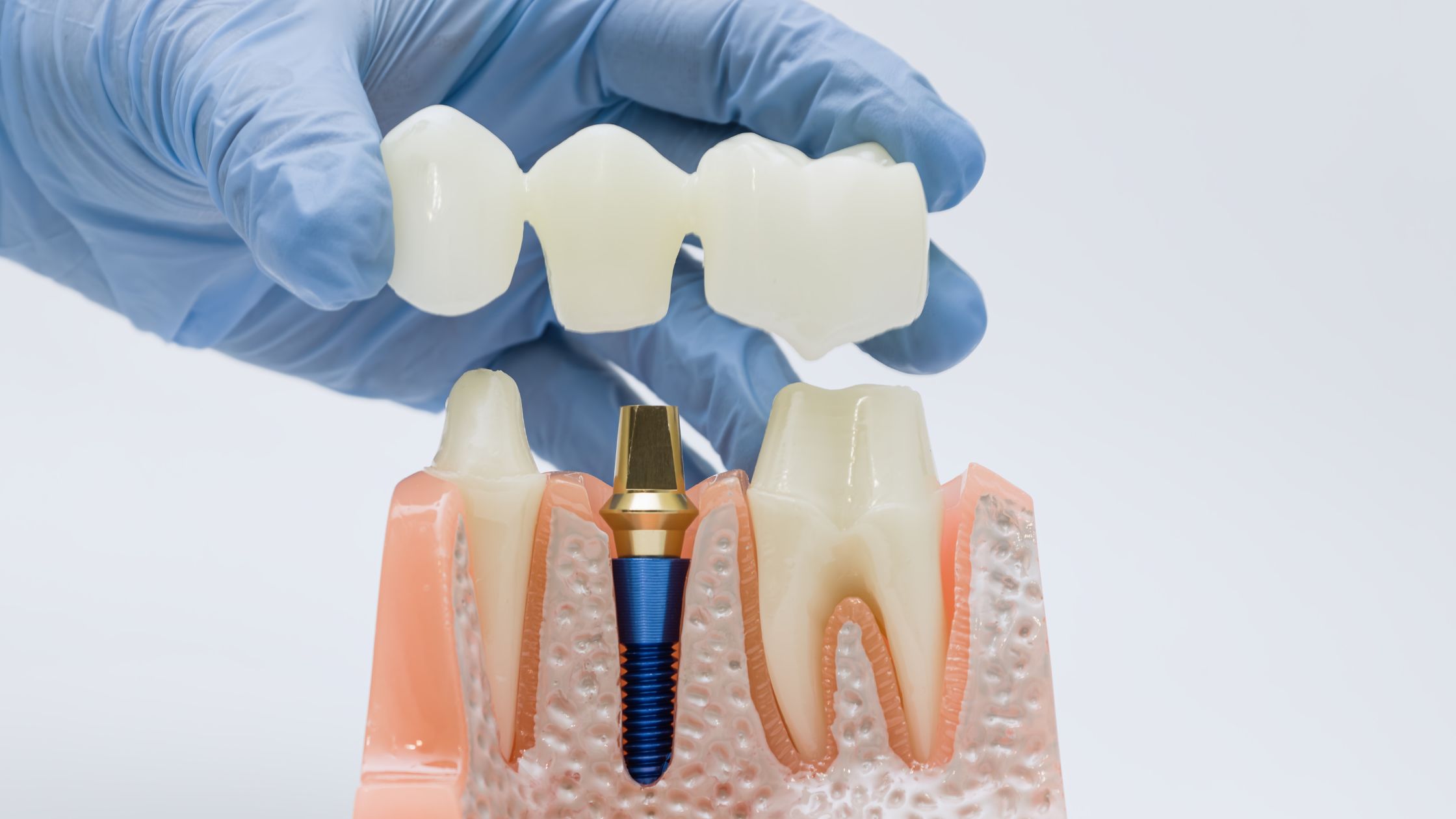
A dental bridge is a fixed restoration used to replace one or more missing teeth. It literally “bridges” the gap between healthy teeth or implants using artificial teeth (called pontics) supported by crowns on either side.
People often opt for a dental bridge when:
- They want a non-removable solution
- They need to restore chewing and speaking ability
- They want to maintain facial structure and alignment
Compared to leaving a gap untreated, a bridge plays a crucial role in preserving long-term oral health.
So, How Long Does a Dental Bridge Last?
On average, a dental bridge lasts:
- 5 to 7 years with basic care
- 10 to 15 years with good oral hygiene
- 15+ years with excellent maintenance and regular dental visits
Some patients even report their bridges lasting over two decades but that’s usually the result of consistent care and favourable conditions.
What Determines the Lifespan of a Dental Bridge?
The lifespan of your dental bridge isn’t random; it’s influenced by a mix of clinical factors and daily habits.
1. Oral Hygiene Habits
This is the biggest factor. Poor oral hygiene can lead to decay in the supporting teeth, which ultimately causes the bridge to fail. Since the bridge relies on adjacent teeth, their health is critical.
2. Material Used
Dental bridges can be made from:
- Porcelain fused to metal
- All-ceramic or zirconia
- Metal alloys
Stronger materials like zirconia tend to last longer, especially in high-pressure areas like molars.
3. Location in the Mouth
Bridges placed at the back of the mouth experience more chewing force, which can lead to faster wear compared to front teeth bridges.
4. Bite Pressure and Habits
Teeth grinding (bruxism), clenching or chewing hard foods can significantly shorten the life of a dental bridge.
5. Skill of the Dentist
A well-designed and properly fitted bridge lasts longer. Precision in placement reduces stress on supporting teeth and ensures even pressure distribution.
Signs Your Dental Bridge May Need Replacement
Even the best dental work doesn’t last forever. Here are signs your dental bridge may be nearing the end of its lifespan:
- Looseness or movement
- Pain or discomfort around the bridge
- Visible damage like cracks or chips
- Gum recession around supporting teeth
- Bad taste or odour (possible decay underneath)
Ignoring these signs can lead to more complex dental issues, so early evaluation is key.
How to Make Your Dental Bridge Last Longer
The difference between a 5-year bridge and a 15-year one often comes down to care. Here’s how to extend its lifespan:
Maintain Excellent Oral Hygiene
Brush twice daily and floss carefully, especially around the bridge. Special floss threaders or interdental brushes can help clean under the pontic.
Avoid Hard and Sticky Foods
Ice, hard candies and sticky foods can damage or dislodge the bridge over time.
Address Teeth Grinding
If you grind your teeth at night, using a custom night guard can prevent excessive wear.
Regular Dental Check-ups
Routine visits help detect early issues before they become serious. If you’re searching for dental care near me, choosing a clinic that focuses on preventive care makes a noticeable difference.
Keep Supporting Teeth Healthy
Since your bridge depends on adjacent teeth, their health directly impacts its lifespan.
What Happens If a Dental Bridge Fails?
A failed dental bridge doesn’t just affect appearance it can impact your bite, speech and overall oral health.
Depending on the issue, your dentist may:
- Repair minor damage
- Replace the bridge entirely
- Suggest alternatives like dental implants
Early intervention can often save the supporting teeth and reduce overall treatment complexity.
How Does Dental Bridge Cost Affect How Long It Lasts?
When it comes to a dental bridge, cost isn’t just about what you pay upfront, it often reflects the quality, durability and longevity of the treatment.
Here’s how dental bridge cost connects directly to how long it lasts:
Higher-Quality Materials Last Longer
Bridges made from advanced materials like zirconia or high-grade ceramics tend to cost more, but they are significantly more resistant to wear, fractures and staining. Cheaper materials may save money initially but can deteriorate faster under daily chewing pressure.
Precision and Customisation Matter
A higher investment often includes better diagnostic tools, detailed impressions and precise fitting. A well-fitted bridge distributes bite forces evenly, reducing stress on supporting teeth and extending its lifespan.
Expertise and Technique
Cost can also reflect the experience of the dental professional. Proper planning and execution reduce the risk of early failure, complications or the need for frequent replacements.
Long-Term Value vs Short-Term Savings
Choosing a lower-cost option might seem appealing, but if the bridge needs to be repaired or replaced sooner, it can end up costing more over time. A well-made bridge that lasts longer often delivers better value overall.
In simple terms, while not every expensive option guarantees longevity, cutting corners on quality can significantly shorten the life of your dental bridge.
Are Dental Bridges Better Than Other Options?
Dental bridges are one of several solutions for missing teeth. Whether they’re the best option depends on your situation.
Compared to Dental Implants
- Bridges are usually quicker and less invasive
- Implants tend to last longer but involve surgery
Compared to Dentures
- Bridges are fixed and more stable
- Dentures are removable and often less expensive
Each option has its place and a personalised consultation helps determine what’s right for you.
When Should You Consider Replacing Your Dental Bridge?
Even if your bridge hasn’t completely failed, replacement may be necessary if:
- Supporting teeth develop decay
- The bridge no longer fits properly
- There’s noticeable wear or aesthetic concerns
Delaying replacement can lead to complications, including damage to surrounding teeth and gums.
Why Ongoing Dental Care Matters
A bridge is not a one-time fix; it’s part of a larger oral health system. Regular monitoring ensures everything stays functional and healthy.
If you are looking up dental care near me on your search bar, remember, isn’t just about convenience, it’s about continuity. Consistent care from a trusted clinic helps track changes over time and prevents small issues from becoming major problems.
The Bottom Line
So, how long does a dental bridge last? While the average lifespan is 5 to 15 years, the real answer depends on how well you care for it and the quality of the initial treatment.
A dental bridge can be a durable, effective solution for missing teeth but like anything in dentistry, longevity isn’t guaranteed. It’s built on daily habits, professional care and timely intervention.
If you’re considering a dental bridge or wondering about the condition of your current one, a personalised consultation can give you clarity and confidence in your next steps.
Book Your Dental Bridge Consultation at Shellharbour Dentist
Get in touch today to discuss your options and receive a dental bridge designed for long-term comfort, function and durability.
FAQs
1. Can a dental bridge last 20 years?
Yes, with excellent oral hygiene, high-quality materials and regular dental visits, some dental bridges can last 20 years or more.
2. Is getting a dental bridge painful?
The procedure is usually not painful as it is done under local anaesthesia. Mild discomfort after the procedure is normal but temporary.
3. How do I clean under a dental bridge?
You can use floss threaders, interdental brushes or water flossers to clean beneath the bridge and prevent plaque buildup.
4. What is the most common reason for dental bridge failure?
Decay in the supporting teeth is the most common cause, often due to poor oral hygiene.
5. Should I replace my dental bridge or switch to implants?
It depends on your oral health, bone structure and long-term goals. A dental consultation can help determine the best option for you.