Treatment Planning
Wisdom tooth removal: what recovery looks like in the first week
Plan the first week after wisdom tooth removal: food, cleaning, swelling, time off and symptoms that need a call to your treating dentist.
10 November 2026
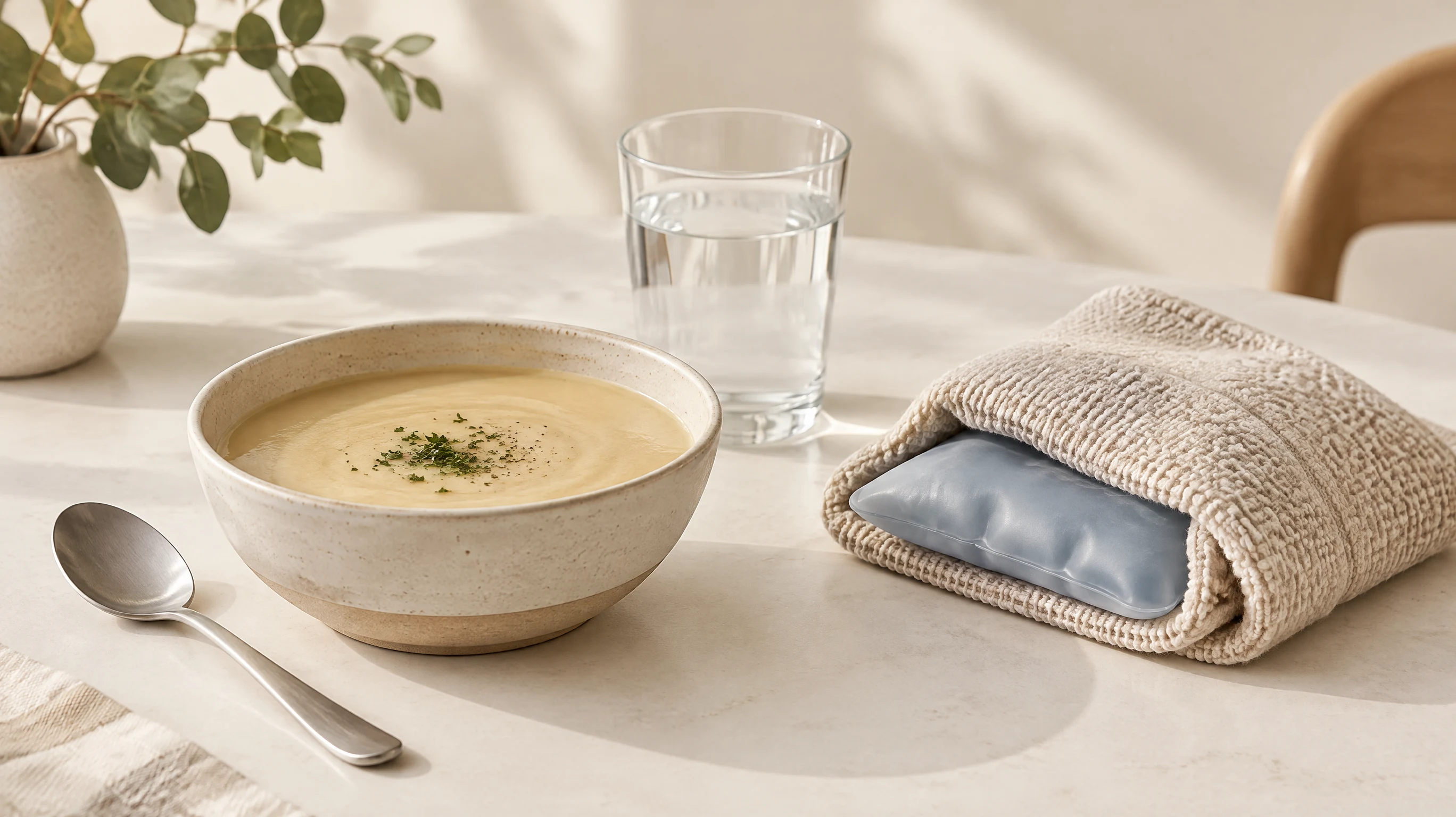
The first week after wisdom tooth removal is a time to protect the wound, manage discomfort and gradually return to eating and daily activities. Swelling after surgical removal can be greatest around 36–48 hours and may start easing after four or five days. That is a general pattern, not a deadline: follow your treating team’s written instructions and contact them if recovery concerns you.
If you are trying to plan meals, work or help at home, ask about those things before treatment. Our wisdom tooth removal information explains assessment and the risks to discuss at Shellharbour Dentists. This guide focuses on the days afterwards; it does not decide whether your tooth should be removed.
What should I do on the day of removal?
Protect the blood clot rather than repeatedly checking the socket. SA Dental advises keeping the gauze pack firmly in place for at least half an hour, not rinsing for the first 24 hours and not swishing food or drinks around the mouth. Be careful not to bite your lip while it is still numb.
A small ooze of blood can occur during the first 12–24 hours. Heavy or persistent bleeding needs attention. Follow the instructions you were given about pressure with a clean gauze pack and contact your treating dental clinic if bleeding persists or is severe.
Ask the treating team how to reach them after hours before you leave. For trouble breathing or swallowing, a very swollen mouth or tongue, or substantial bleeding into the throat, call 000 or go to an emergency department rather than waiting for a routine appointment.
What can I eat during the first few days?
Choose fluids and soft foods after surgical removal. SA Dental’s soft food suggestions include yoghurt, eggs, mashed potato, well-cooked vegetables and soup that has cooled slightly. Avoid hot food and drinks, hard or crunchy foods, and sticky or chewy foods while following your aftercare plan.
Sip water slowly and avoid straws: suction can disturb the clot. Avoid foods with seeds that can get caught in the wound. If a food feels uncomfortable, choose something softer rather than pushing through it.
There is no need to make day seven a test of whether you can eat everything again. SA Dental says the return to a regular diet is gradual and varies with the procedure. Ask your dentist how to advance your own meals, especially if chewing remains difficult.
When can I rinse and brush again?
The first day and the following days have different instructions. SA Dental advises no rinsing for 24 hours. From the day after extraction, its guidance is to dissolve half a teaspoon of salt in a glass of warm water, hold it briefly around the wound and rinse gently after meals and before bed for at least the next five days.
Follow your own written instructions if your treating team has given you a different plan. Ask how to brush around the extraction area; SA Dental advises restarting regular toothbrushing as soon as possible. Vigorous swishing is not the same as gentle wound care.
How much swelling or jaw stiffness should I expect?
After a surgical extraction, swelling can peak around 36–48 hours and start to reduce after four or five days. Bruising may appear as swelling settles, and opening your mouth can be difficult. These patterns are described in SA Dental’s extraction aftercare guidance, not a prediction of how your own recovery will progress.
SA Dental describes using an ice pack over the cheek in the first 24–48 hours, for 20 minutes followed by a 10-minute break. Ask the treating team how this fits your aftercare instructions. For pain relief, ask your dentist or doctor what is suitable for you rather than choosing a medicine from a general article.
Increasing pain, swelling, bleeding or signs of infection are reasons to contact your dental professional promptly. Do not assume a worsening symptom is something you must put up with until the week is over.
What if pain gets worse a few days later?
Contact your dental clinic if pain is intense or ongoing a few days after removal. Healthdirect explains that dry socket can happen when the clot does not form properly or is lost, exposing the bone and nerves beneath. Pain can begin a few days after an extraction and may come with bad breath, an unpleasant taste or a slight fever.
You cannot confirm dry socket from an article or by comparing photographs. A dentist or oral surgeon needs to examine you. Treatment may involve cleaning the socket or placing a medicated dressing; do not try to treat inside the socket yourself.
Smoking is a dry-socket risk factor. Healthdirect advises avoiding smoking and following the dentist’s cleaning instructions. Ask your treating team about smoking or vaping before the procedure and how long you should avoid them afterwards; do not treat a minimum interval in general guidance as your personal clearance.
Will I need the whole week off work or exercise?
There is no single return date for everyone. The Australian Dental Association says a few days off work may be needed depending on how difficult removal is, and advises avoiding sport and exercise after an extraction. Our clinic’s service information also explains that recovery varies with the procedure and your health.
Tell the dentist what your job involves and ask when to restart work, lifting, driving and exercise. If sedation or general anaesthesia is planned, ask separately about getting home, supervision and driving restrictions. Get the instructions for the type of anaesthetic you are actually having, not a timetable borrowed from someone else’s experience.
What should I confirm before treatment in Shellharbour?
Not every wisdom tooth needs removing. At Shellharbour Dentists, an assessment can lead to a discussion about removal or continuing to watch the tooth. Removal has risks, including dry socket, infection, bleeding, jaw stiffness and nerve injury that may affect feeling in the lip, chin or tongue. Ask which risks and alternatives apply to you before deciding.
Before leaving, ask: “What should I expect tomorrow? What changes mean I should call? Who do I contact at night? When should I return?” Our treatment-plan questions can help you organise a conversation about options and costs.
Call (02) 4216 9911 or use our Shellharbour contact details to ask about assessment or a recovery concern. If the tooth was removed elsewhere, contact the treating team and explain your symptoms. You can read Dr Mohit Tolani’s dentist profile before arranging a visit.
Sources and image
Sources checked 10 November 2026. This is general patient information, not a diagnosis, individual aftercare instructions or a promise that recovery will be complete within a week. Your treating dentist or surgeon’s advice applies to your procedure.
SA Dental: Caring for your mouth after an extraction and soft food suggestions — wound care, swelling, food and when to seek help. Healthdirect Australia: Dry socket, reviewed September 2025 — clot loss, symptoms, assessment and care. Australian Dental Association: Wisdom teeth — treatment risks and activity planning.
Shellharbour Dentists: Wisdom tooth removal, team and contact — clinic information, assessment options, author identity and contact details.
Image above: AI-generated illustration of soft food, water and a cold pack. It is not a photograph of the clinic, a patient or a treatment result, and is not an individual aftercare plan.