Mon–Fri 8am–5pmSaturday By appointment onlySunday Closed

Call (02) 4216 99117/9-25 Captain Cook Dr, Barrack Heights NSW 2528
Call UsBook an Appointment

Restorative Dentistry

Restorative dentistry in Shellharbour, explore ways to care for damaged teeth

If a tooth is broken, worn down or missing, you may be looking for ways to restore how it looks and works. Read the basics here, then contact the clinic to ask what your next step could be.

Fees, private health benefits and third-party payment arrangements vary. Please confirm current details before relying on an option.

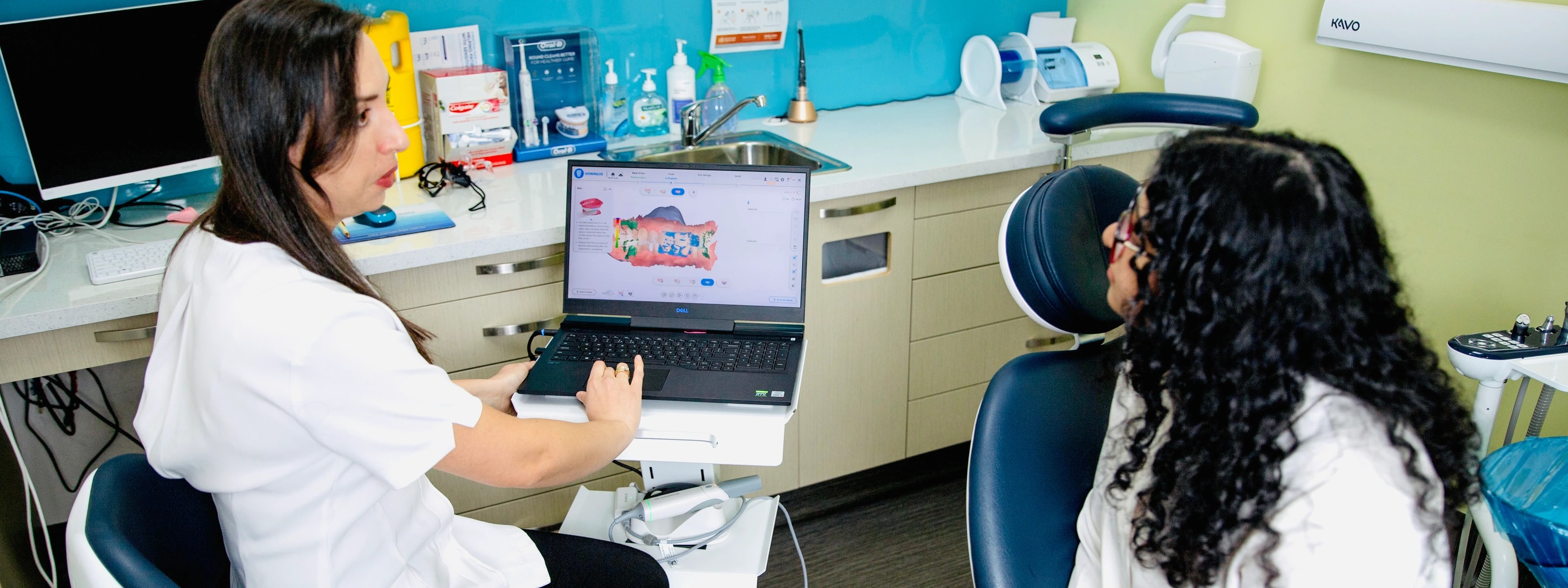
A clinician discussing a dental scan with a seated person in a treatment room.

Restoring Teeth

Which way of restoring a tooth is right for me?

A damaged, worn or missing tooth can change how you eat, speak and smile. Restorative dentistry is the part of dental care that looks at repairing or replacing teeth. The right option depends on how much of the tooth is left, the health of your gums and your bite, so a dentist will usually examine you before explaining your choices.

Read our crowns and bridges information, dentures information and full mouth rehabilitation information to see what each topic covers. Replacing a missing tooth with an implant is covered under dental implants. Shellharbour Dentists offers dental implants, crowns and bridges, and dentures.

Preparing for a discussion about your care? Read about understanding the choices in a treatment plan.

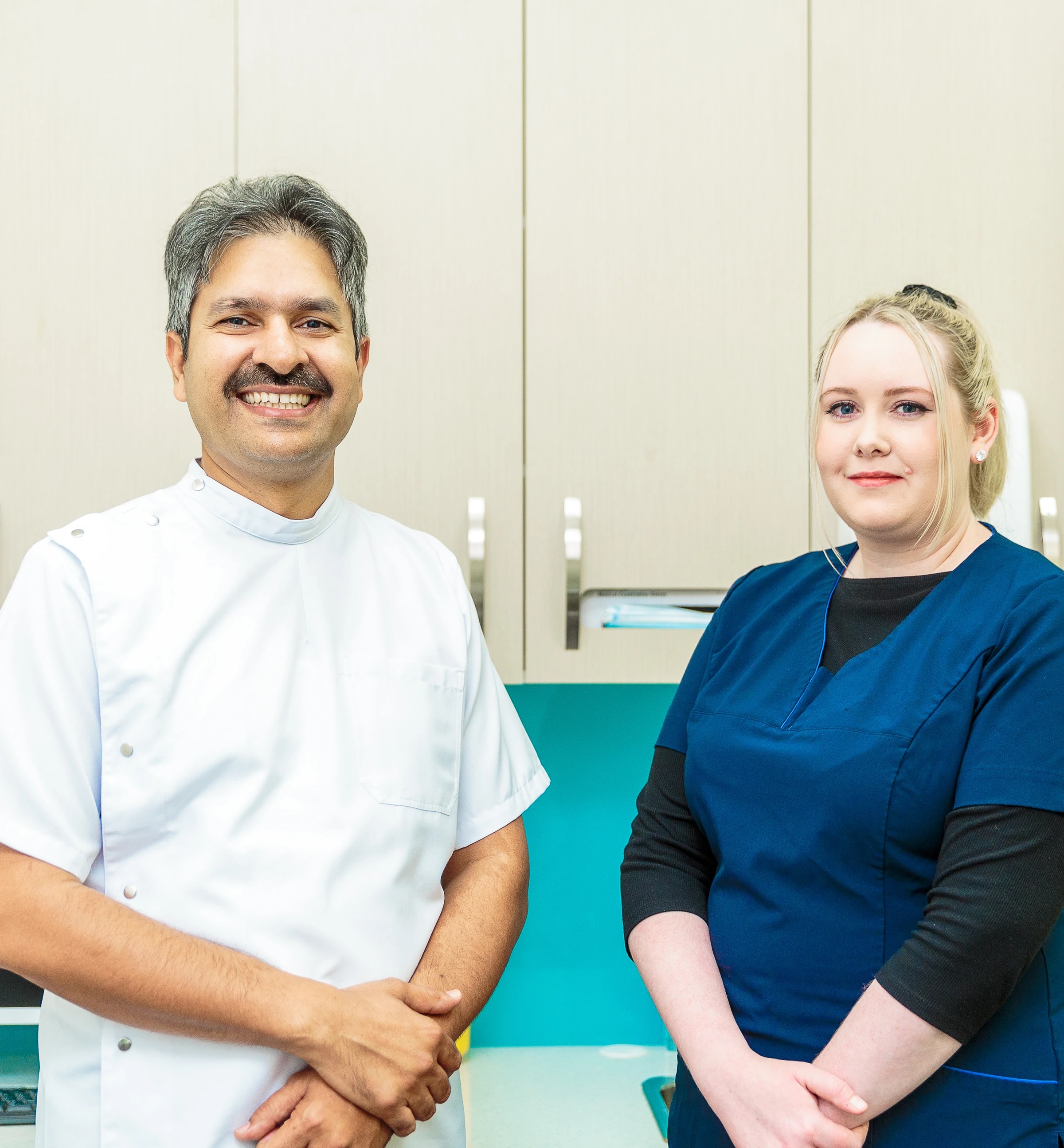
A dentist discussing restorative dental information.

How do crowns, bridges and dentures differ?

A crown covers an existing tooth and may be considered for a cracked, badly decayed or heavily restored tooth, including after root canal treatment. Materials include porcelain, zirconia, gold alloy and porcelain fused to metal. The tooth underneath can still decay, so daily cleaning and regular reviews remain important.

A bridge replaces missing teeth with false teeth attached to the teeth on either side of the gap, which usually means two healthy teeth are filed down to hold it. Dentures are false teeth that replace missing teeth. Making and fitting dentures often takes several appointments, and because the shape of your mouth can change, dentures may need adjusting or replacing over time.

Can I ask about full mouth rehabilitation?

We offer consultations for people with several worn, broken or missing teeth and provide some of the major dental work that a combined plan may involve. We assess your concerns, explain which problems need attention first and discuss whether any part of your care needs specialist input. A smaller plan may also be an option.

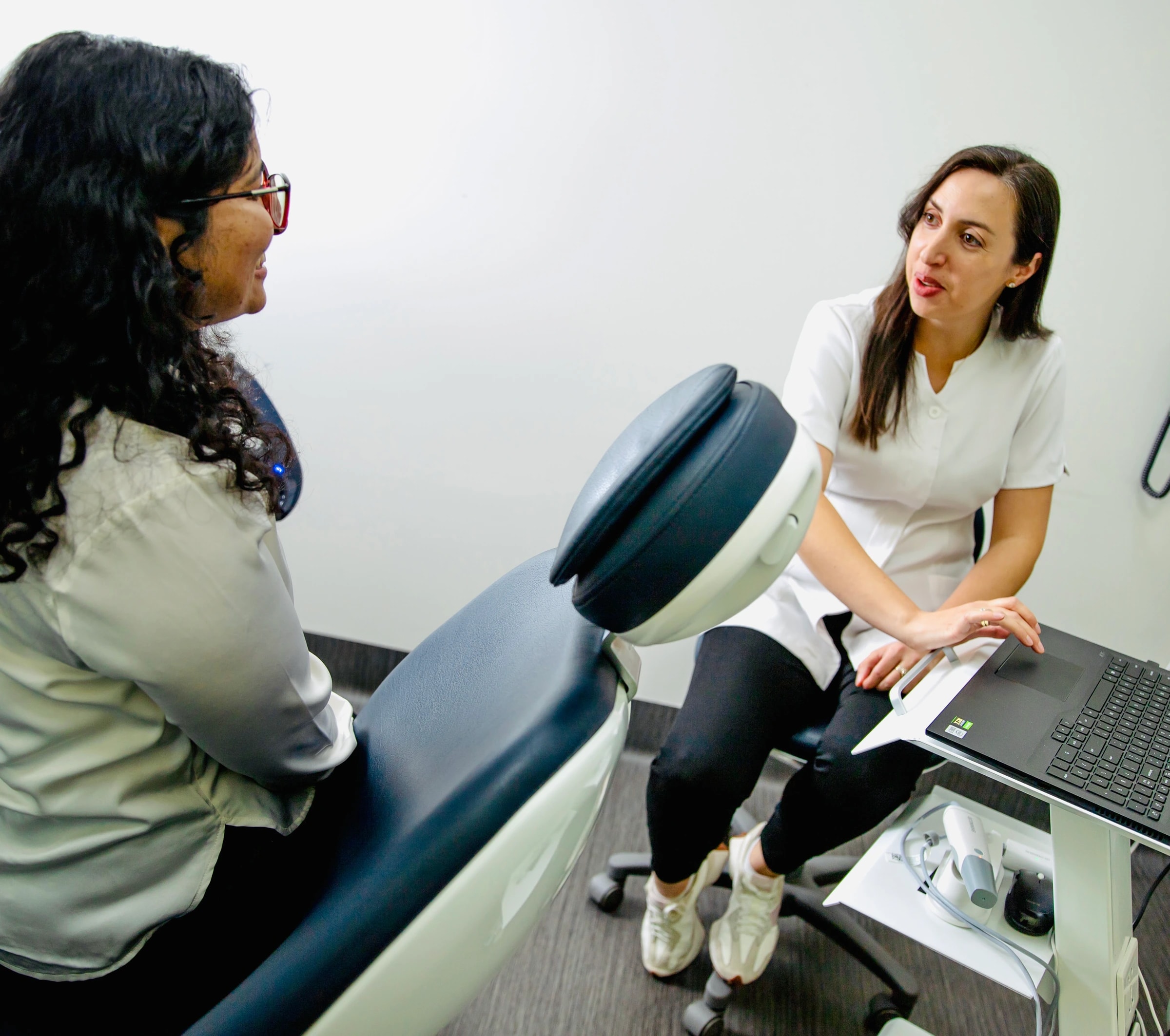
A clinician with a laptop talking with a patient seated in a dental chair.

How do I compare costs and alternatives?

A crown, a bridge, a denture and an implant are different ways to repair or replace teeth, so ask how each would work for you. Costs differ as well, and our dental fees page, our new patient offers page and our payment options are good places to start before you contact the clinic.

This page is general information, so please call (02) 4216 9911 to ask about your options, or contact our team. You can take time to decide, compare options or ask for a second opinion before you commit to any treatment.

How do I look after crowns, bridges and dentures?

We can show you how to look after the repair or replacement recommended for your mouth.

  • Cleaning under a bridge: Decay in supporting teeth or failure of the cement can affect a bridge. Ask us to demonstrate cleaning beneath it with suitable floss, a threader or an interdental brush.
  • Adjusting to dentures: Full dentures replace a whole arch; partial dentures replace some teeth. Some removable designs attach to implants. Getting used to eating and speaking can take time, and sore areas need review.
  • Daily denture care: Dentures should be cleaned twice a day and taken out at night.
  • Changes over time: Because the shape of your mouth can change, dentures may need adjusting or replacing over time.

Useful Details To Share

What should I tell the dentist?

  1. 01

    What are my current concerns?

    Explain what you have noticed about a tooth, your bite or how you use your teeth.

  2. 02

    What dental work have I had?

    Past dental work is useful context to mention when you ask about your options.

  3. 03

    What ongoing care will I need?

    Ask how looking after the teeth and regular reviews may fit with the option you are considering.

  4. 04

    What happens to the neighbouring teeth?

    Some options, such as a bridge, usually involve preparing the teeth beside the gap. Ask what would happen to those teeth and what the alternatives are.

  5. 05

    How would I clean around it?

    Ask how you would clean around a crown, bridge or denture, and whether you would need extra tools such as interdental brushes.

  6. 06

    How will it change over the years?

    Ask what to expect over the years. Crowns and bridges can last many years with care, but dentures may need adjusting as your mouth changes.

Your Appointment

How can I work through the details at my own pace?

  1. 01

    Talk about the concern

    Start by describing what has made you think about restoring a tooth or teeth.

  2. 02

    Ask what is involved

    Ask what information a dentist would need before explaining your options.

  3. 03

    Compare your options

    Ask about alternatives, upkeep, risks, timing and costs before you decide.

Frequently Asked Questions

Questions about Restorative Dentistry

These general answers can help you prepare questions for an individual conversation.

Restorative dentistry in Shellharbour is worth discussing when you want to understand a damaged tooth or a space left by a missing one. Restorative treatments repair or replace teeth. Start with what is bothering you, such as difficulty eating, rather than choosing a particular treatment before your mouth has been examined.

Related information: crowns and bridges information.

Ready To Book A Dental Visit?

Call or book online and say what you would like help with. Ask what your visit includes and what it costs. At the visit, discuss your concerns with the dentist; you can review any proposed treatment and its costs before deciding.